

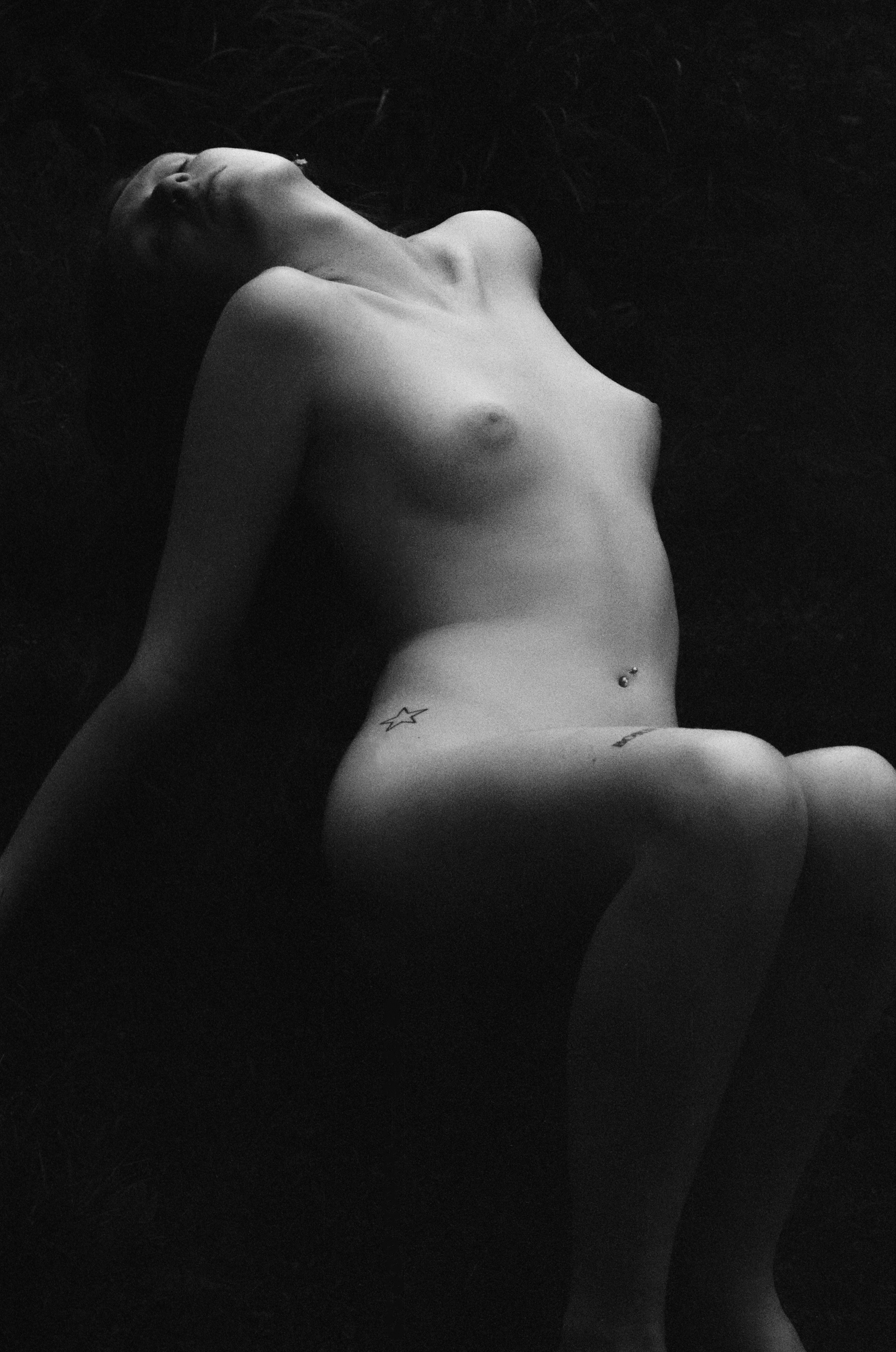
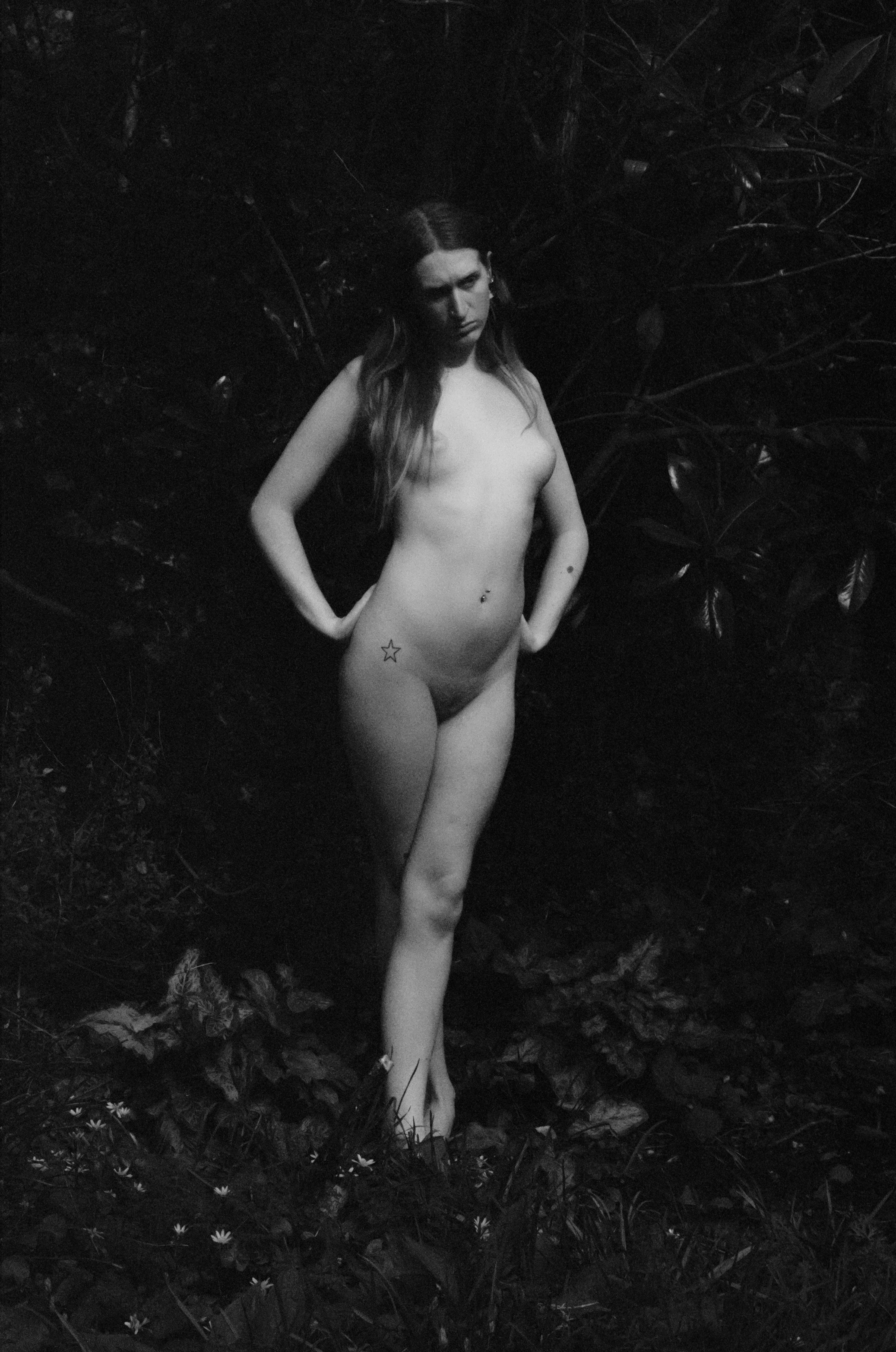
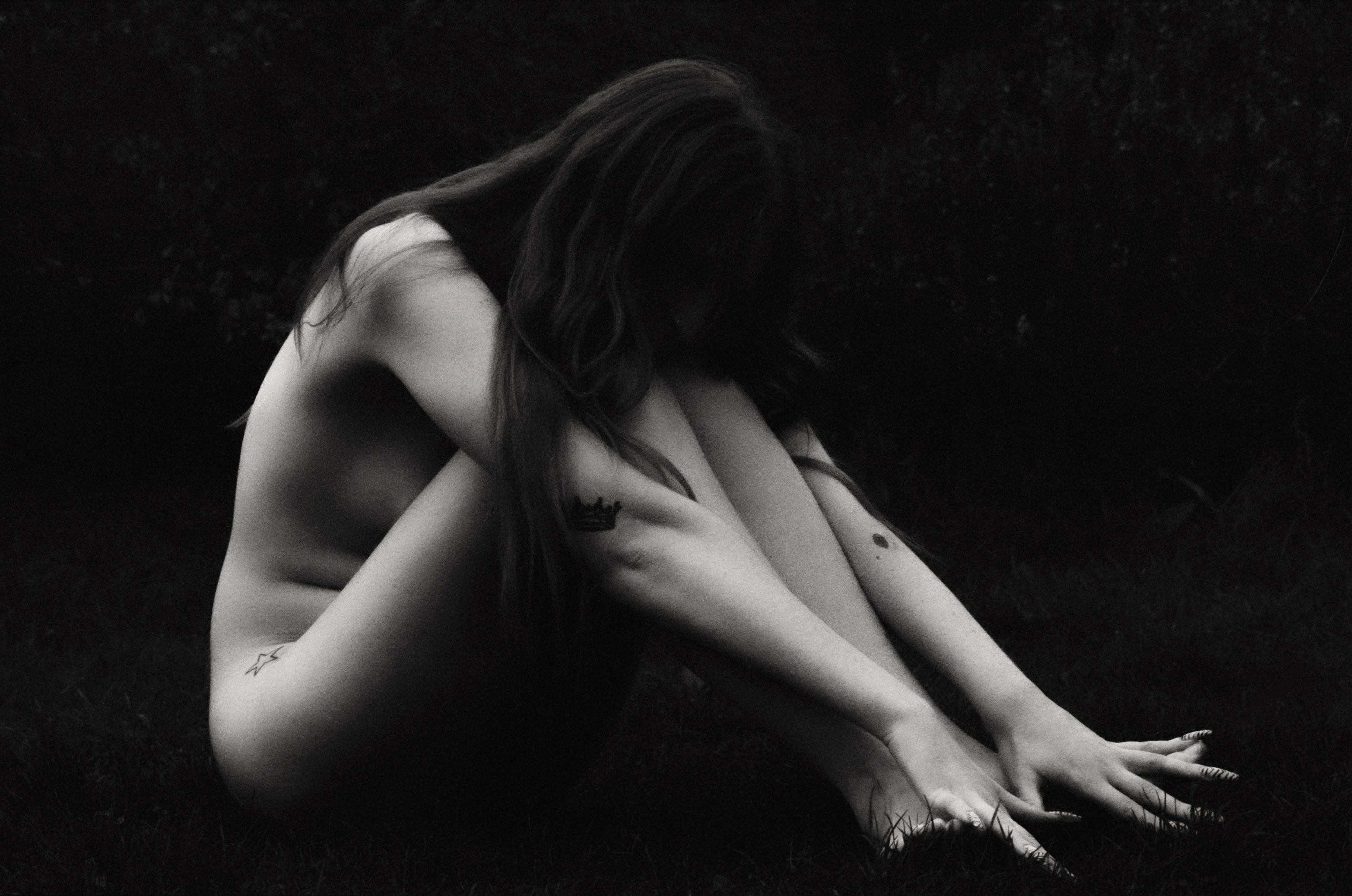
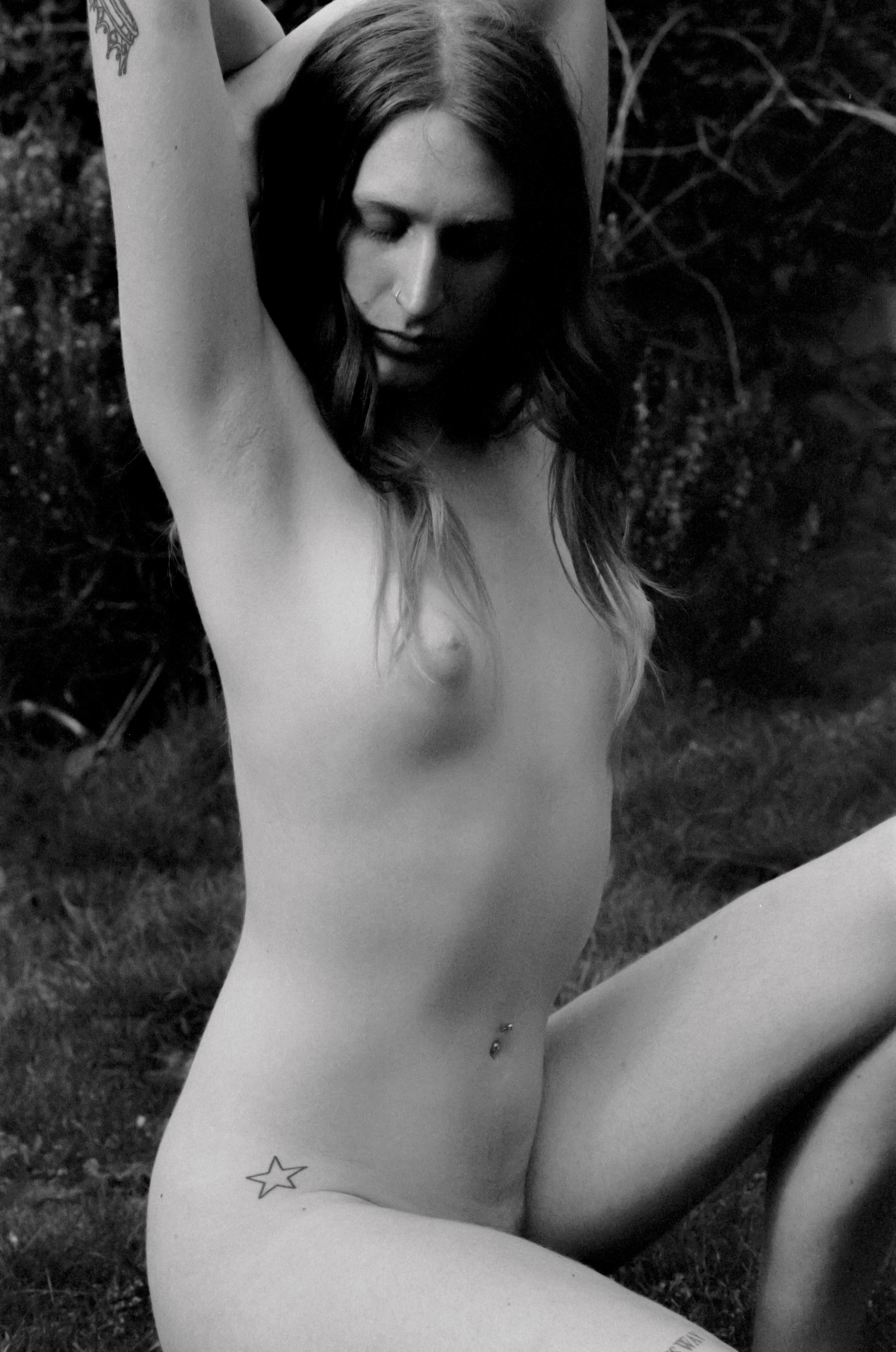


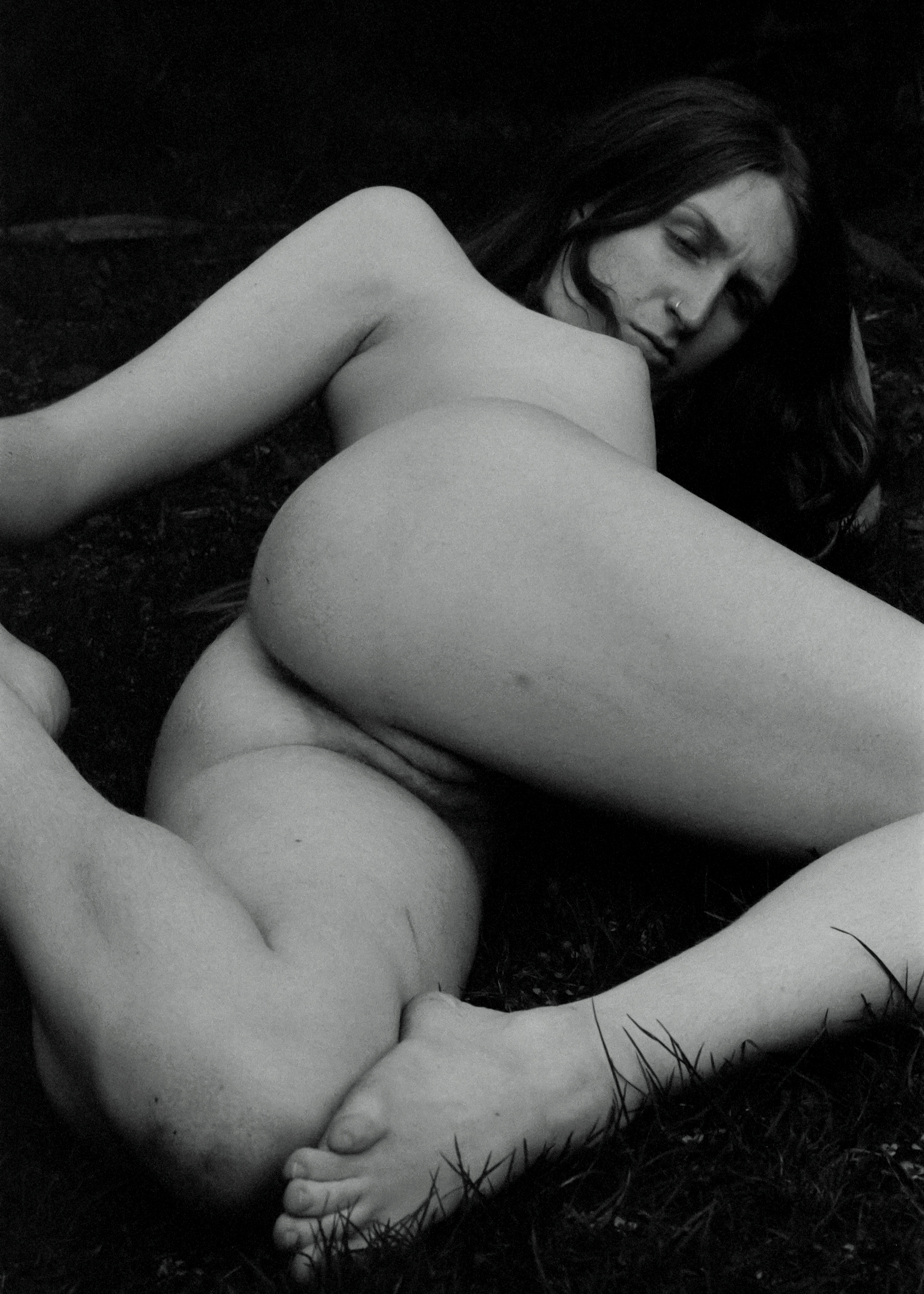

Venus was a percieved, and somehow incontestable beauty — a historical allegory destined for destruction. How might a body in refusal present itself? statuesque, bold, raw, embodied. A concept of beautiful, a concept of womanhood, redefined, where venus is created of her own volition
Outputs explored imagery, publication and exhibition
–
While addressing the legacies of Renaissance imagery, sculpture, eroticism, and objectification, the images within VENUS PIECE celebrate the liberatory nature of embodiment, self-determination, and communion.
In her book, Women in the Picture, Catherine McCormack introduces the symbol of Venus as a historical allegory. There, Venus is revealed as a societal carry-all — she becomes a place to hold assumptions, exploitations and ideals often placed unfairly and unwillingly. ‘By looking more closely at what makes the mythical image of Venus,’ McCormack says, ‘we can think about the expressed fears and desires that are projected onto the female body in our collective cultural consciousness.’
Having long been drawn to Renaissance imagery, and captivated by its aesthetic claims, I have found myself intrigued by the symbol of Venus, a perceived and somehow incontestable beauty. While gravitating towards this notion, I have also wanted to destroy it—to introduce an alternative perspective that emerged from within the realm of an entirely subjective experience of embodiment. This forced me to ask myself: How do we grapple with what we’ve been told about how we must look, feel, and act, how we must appear, to exist, and in turn, be? And how do we respond to said stipulations? In making images, I’ve sought to connect with the answers to such questions, no matter how abstractly or incompletely they might arise. Through these images, I have endeavoured to interrogate the narratives perpetuated by classical assertions of beauty, female-ness, performed femininity, and the nudity that has often existed in such declarations and performances. Bodies have been eroticised, and exoticised, while many bodies, as a whole, have been ignored.
What are the requirements one must uphold for consideration? And to what extent might her refusals of these patriarchally decided standards stop her from expressing as she must? In my search, for an honest experience of embodiment, and its loyal portrayal, I was brought to the discourses of minds who sought to at least investigate and, at most, obliterate such notions. In continually asking myself, both internally and aloud, where beauty, body, and beingness might come together in the performance of femininity, I was brought to the depths and edges of my own corporal experience; having opened these questions to the wider world, I’ve met the stories and bodies of other women, too.
Taman is the woman you’re introduced to in each portrait that appears in this body of work. We met when she responded to an open call of mine, where I was seeking female and female-identifying participants willing to be photographed nude. By asking women to strip down for my lens as the subjects of my questioning, I felt much too close to a legacy of questionable men. But when asked about her motivations for participating, Taman, having recently just completed GRS (gender reassignment surgery), said, “Now I feel so empowered in my body and love being naked. I’m so proud to be who I am.” Her willingness and the strength of her self-affirmation allowed me to face the core of my intentions.
This exploration of form and being evolved as a compassionate investigation into how we might address the Venutian archetypes we have been confronted by in our variable experiences of embodiment. In VENUS PIECE, across 28 pages, black and white portraits explore how one might stare these ideals in the face, screaming her truths back at them. Within each photograph, Taman invites us to the home she has found in her body. She is illuminated within a reality where she exists freely, and honestly, driven by nature, choice, and unencumbered by expectation. Where a fashioned image has often been utilised towards an agenda of either maintenance or provocation, the photographs within VENUS PIECE do not seek to extend or disrupt, but to exist; though to those who have created and upheld the legacies these images face, existence itself might allude to a quiet albeit unwelcome rebellion. Here, the action of being does not ask but asserts the power and presence of the woman these images depict, and all women who might see themselves reflected in her image. VENUS PIECE is both an iteration and the refusal of something familiar. It is a meditation on form and the power of the formless inherently contained within it.
EXHIBITION
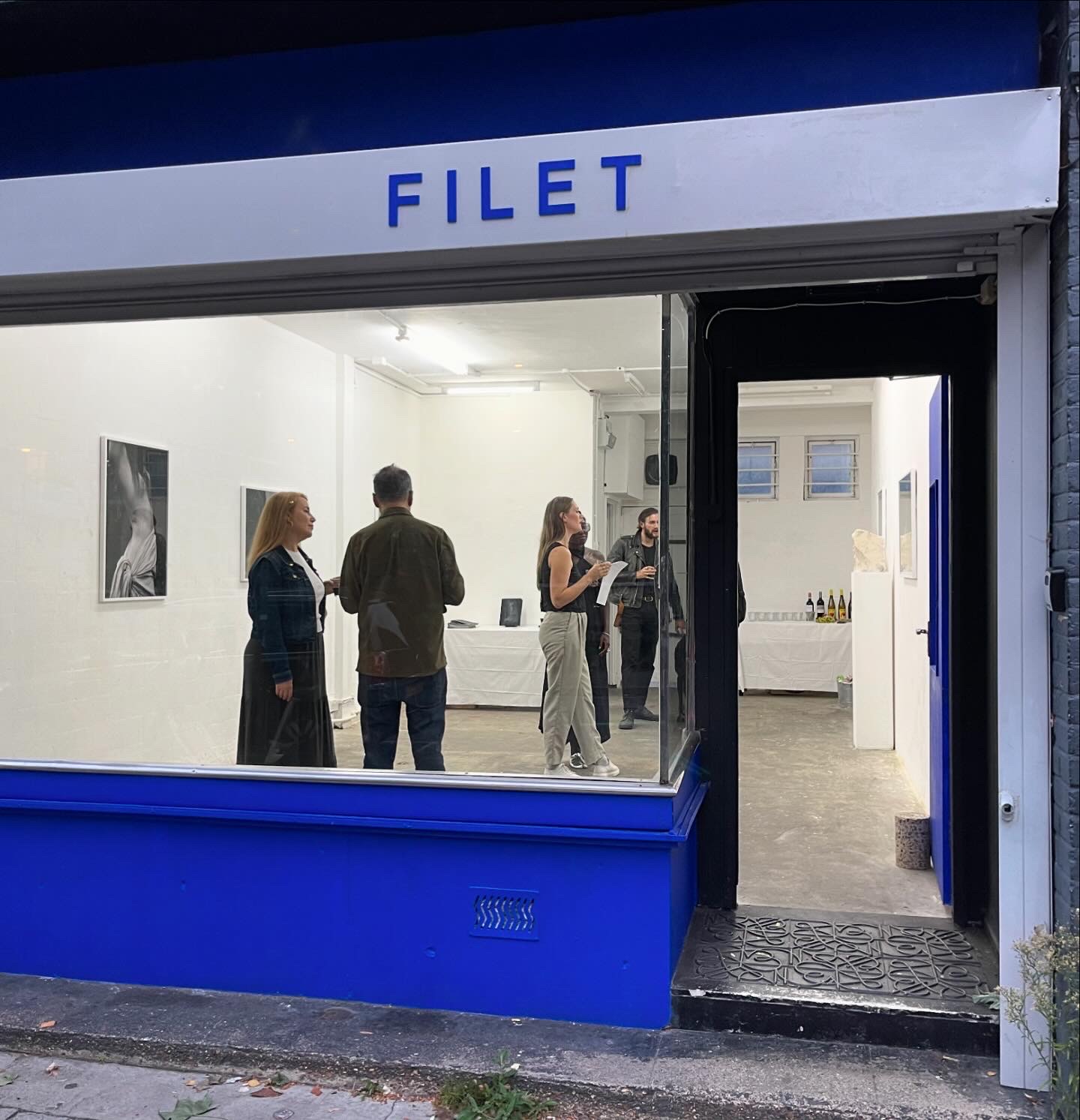
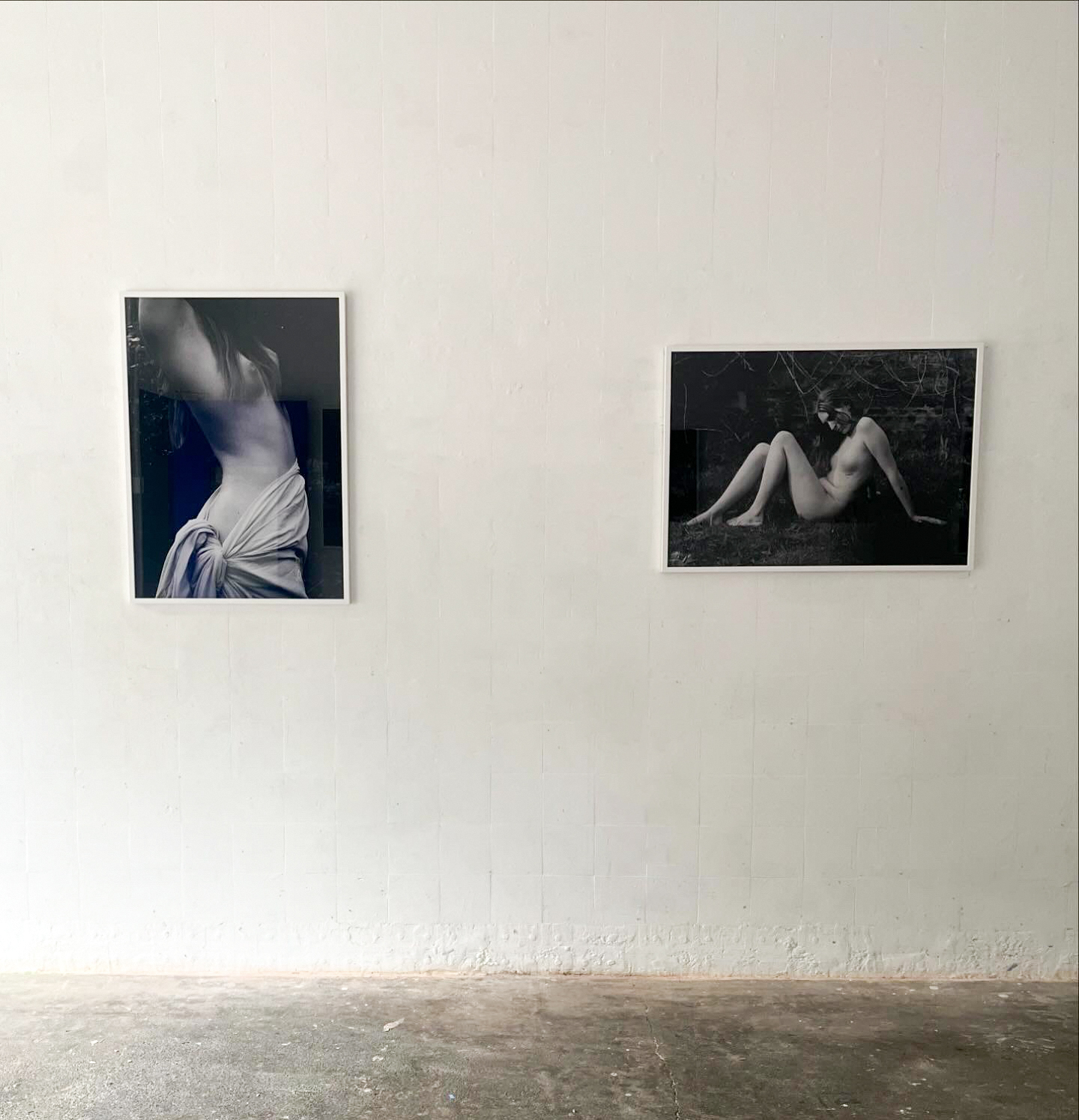

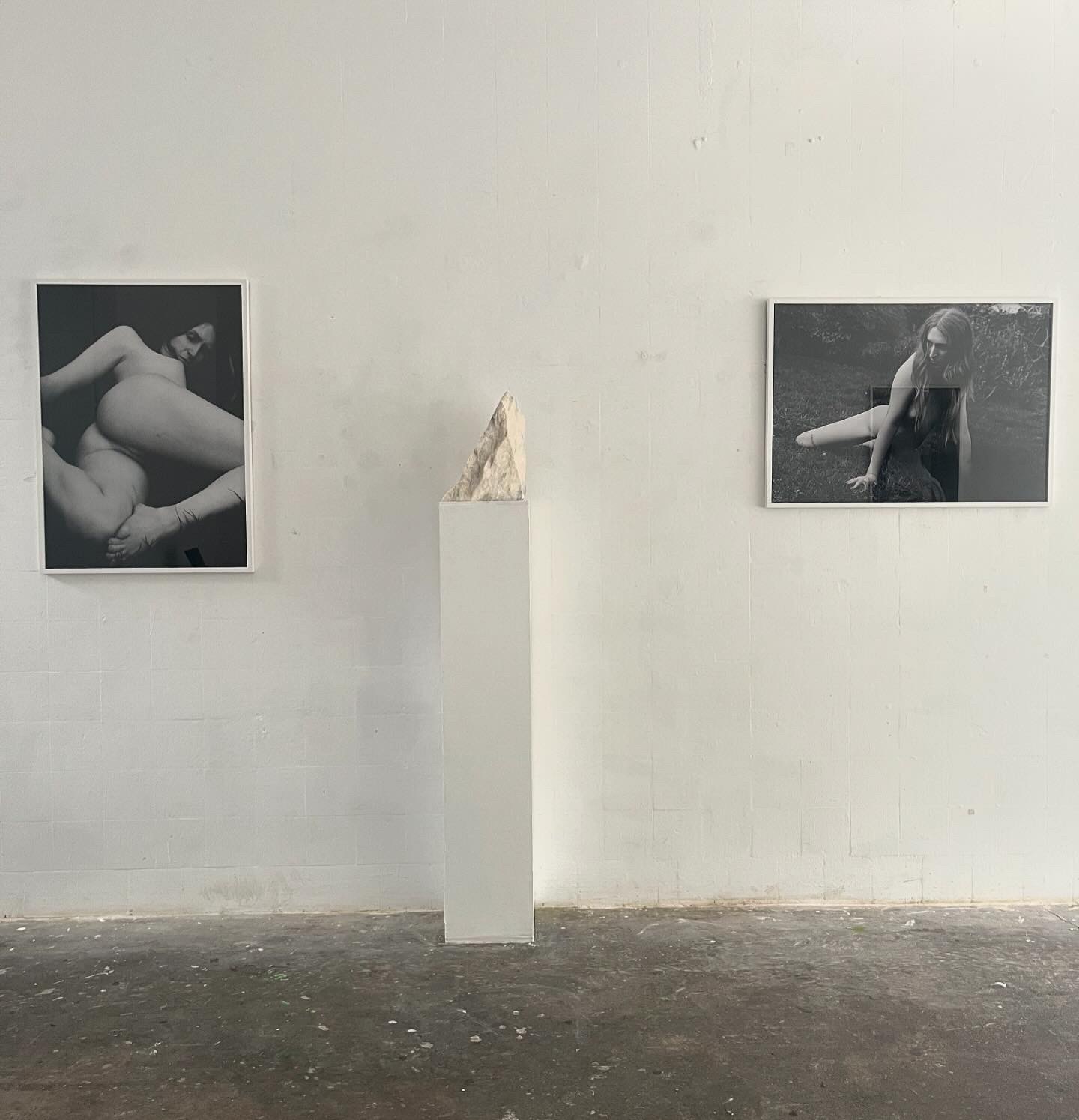
Filet Space in Hoxton, London, September 2024